
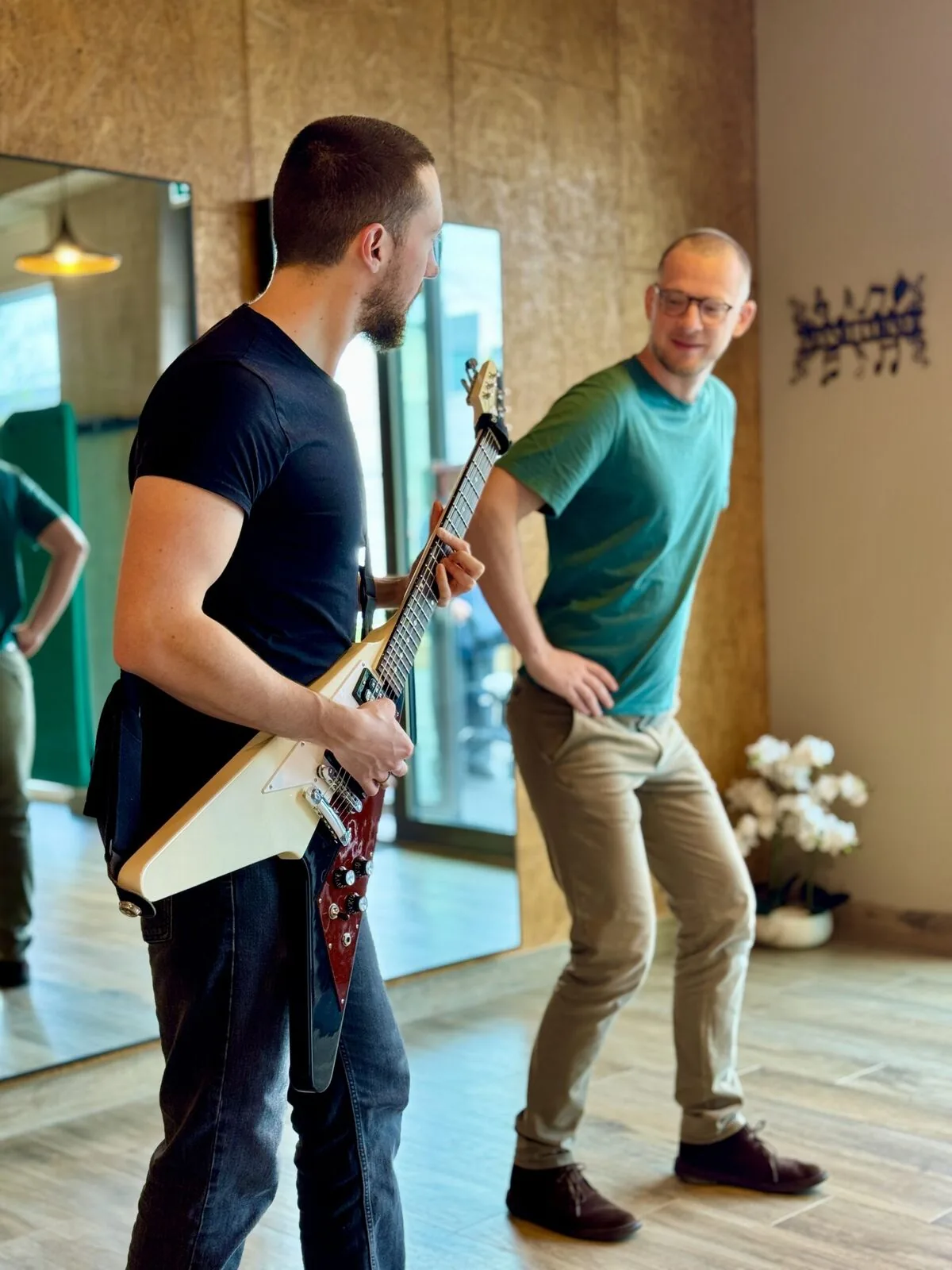
Pain when playing is never normal. It is neither a rite of passage nor the price of talent.
Hours of practice, thousands of repeated movements, the pressure of performing: you face the same demands as an elite athlete. Without the medical team. My role is to look after that body, so it becomes an ally of your music again, not an obstacle.

Your body is sending you signals.
Most musicians who come to see me have already tried many things. That is often where we meet: when you finally want to understand what is going on.
See a doctor first, if needed. A finger that curls or stops responding while you play, without pain; numbness or weakness that persists: talk to your doctor first. These signs may call for a specialist opinion (musician's dystonia, nerve involvement). I then work in close contact with your doctor.
The vicious circle of searching for the right care.
Many musicians come to me after months of searching. Does that sound like you? It is not a failure: there is simply nobody yet to connect the pieces.
The pain sets inDiscomfort in the wrist, shoulder or back. You keep playing, compensating without realising it. The body adapts, and the pain sets in.
Searching onlineForums, social media, videos: conflicting advice, worrying diagnoses, exercises picked at random. Lots of information, few answers that fit you.
Trying things aloneRest, stretching, a splint, new equipment. Brief relief, then the pain returns as soon as you really get back to playing.
One appointment after anotherDoctors, specialists, test results that often come back normal. Everyone looks at one piece of the puzzle, but nobody links the pain to how you play.
Doubt creeps in“Maybe it's all in your head.” One remark heard during an appointment, a lesson or a conversation, and you end up no longer trusting what you feel. Yet the pain is very real.
You stop lookingWorn out, you give up on treatment and live with it. You keep playing as before, with the same compensations, and the pain quietly gets worse, at the risk of a real injury. The circle starts again.
Your history, your body and your instrument, looked at together. A clear explanation, a concrete plan, and support until you are back to playing. Your pain is real, and it can be understood.
Book an assessmentWhatever your level.
- Professional musiciansOrchestra, stage, studio, teaching.
- StudentsConservatoire, music university, competition preparation.
- Passionate amateursBecause music should remain a pleasure, at any age.
- Contemporary musicSelf-taught players, bands, techniques learned by ear and by imitation.
- Schools & ensemblesWarm-up and prevention workshops, on request.
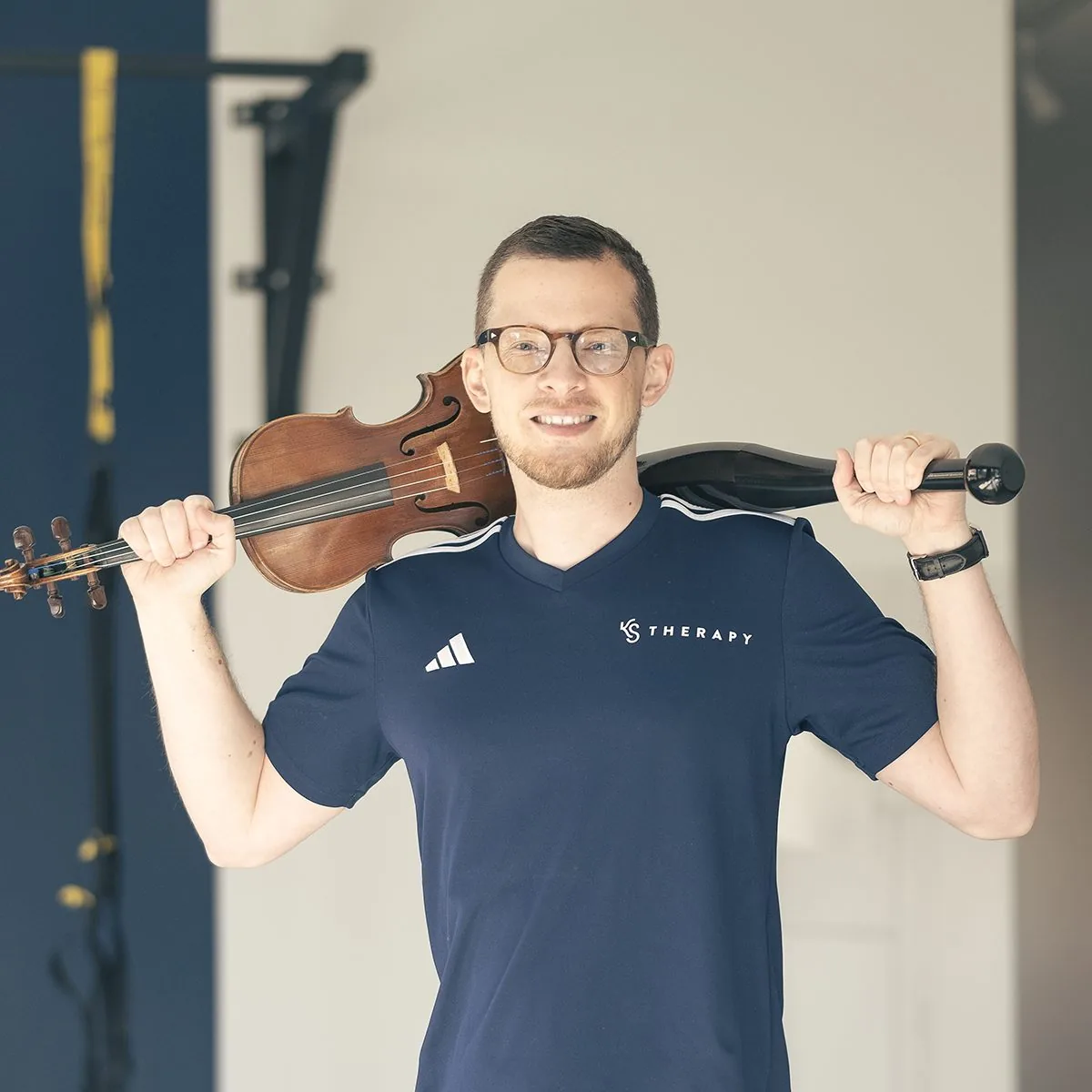
Sébastien Braito, on both sides of the instrument.
I come from a family of musicians and studied the piano until my teens. Today I play Irish fiddle. I know what long hours of practice mean, a technical passage that won't come, or the nerves before going on stage.
I trained in performing arts medicine in Lyon, where I spent several years practising physiotherapy for every family of instruments. I belong to a network of practitioners who share and discuss their cases.
A physio's tools. A musician's eye.
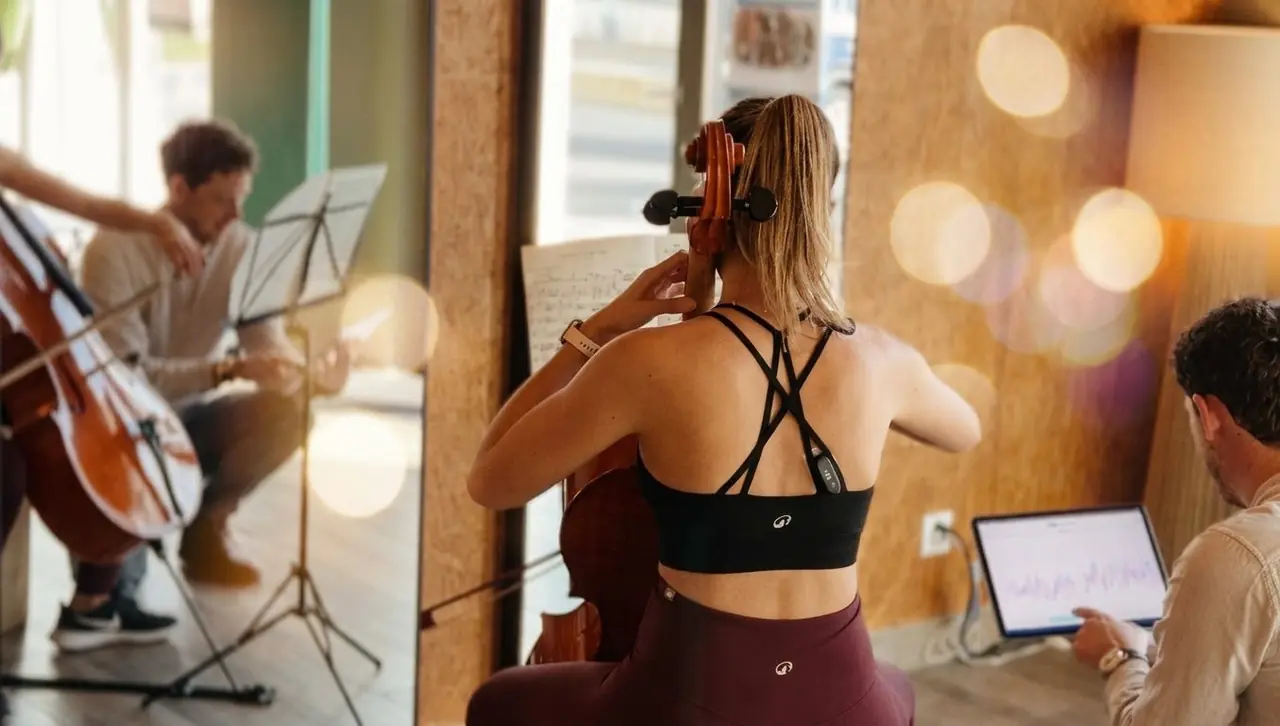
Manual therapy, strengthening, mobility work: my tools are those of physiotherapy. What makes the difference is the perspective. I know your instruments, how your body serves them, the hours of practice and what is at stake on stage. That understanding shapes my treatment strategy, whether or not your instrument is in the room.
- 01Understand the strainHow your instrument loads your hands, shoulders and back, and why the pain appears there, at that moment.
- 02Choose the right exercisesStrengthen and loosen what your playing really demands, rather than following a standard programme.
- 03Prepare your return to playingBuild back up gradually, at the right pace, to get your practice hours back without a relapse.
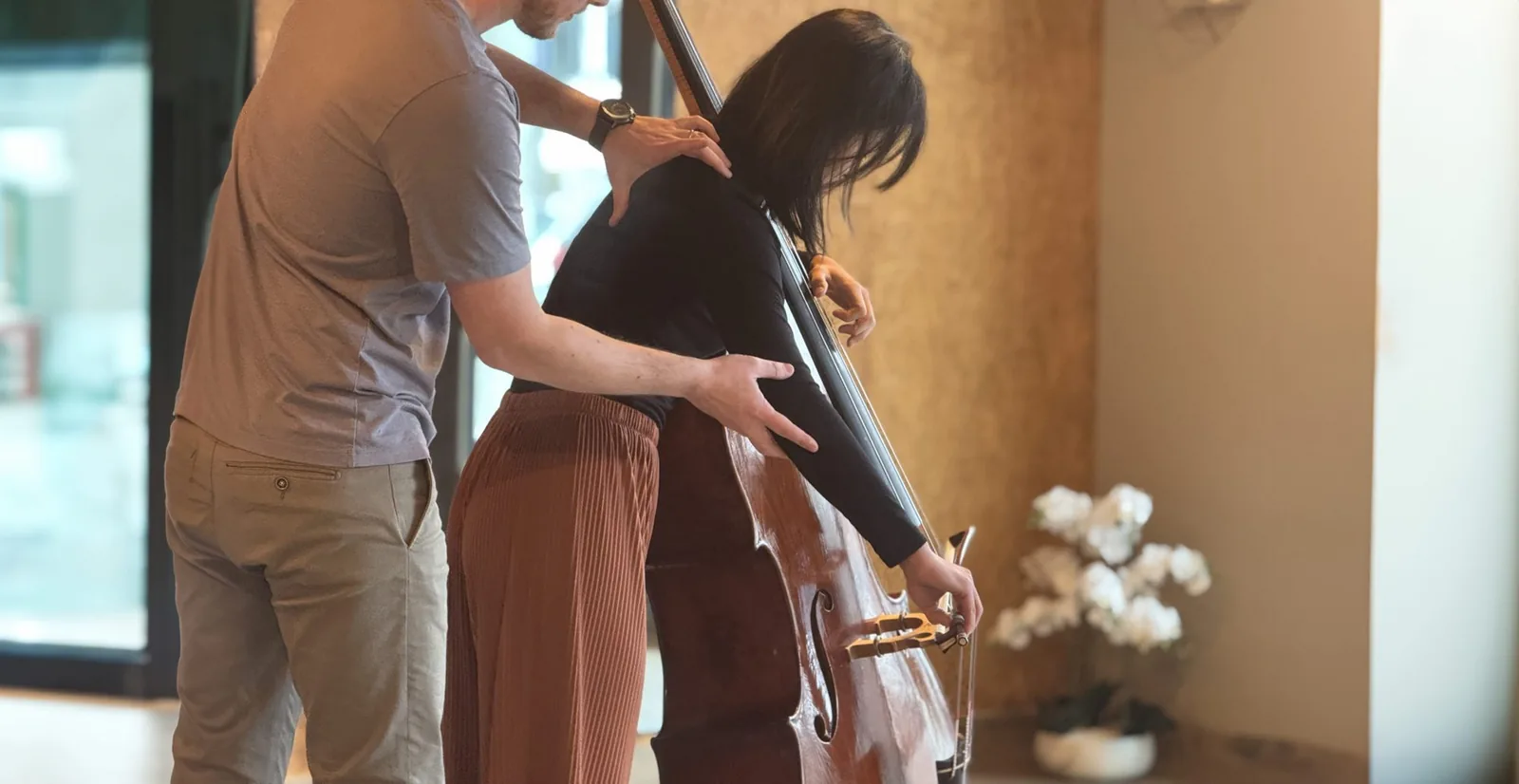
My goal: your independence. My success is measured by your return to playing, not by the number of sessions. As soon as you feel ready, you carry on by yourself, with your exercises and your warm-up; I remain available for a check-in.
Coordinated care. I keep your doctor informed and refer you to other professionals when useful, so you are never left alone with your pain.
One hour to understand.
- 1Your storyMusic and pain: your practice, your repertoire, the care you have had so far. We take the time to listen.
- 2The full pictureDesk work, working from home, sleep, stress: we check whether the instrument is the cause, or whether the pain comes from elsewhere.
- 3Examination, and playing if usefulA physical examination then, if the instrument is involved, I watch you play the passages that give you trouble.
- 4You leave withA clear explanation of your situation, your first exercises to do at home, and a follow-up plan.
See how we work.
“Now it's like night and day. »
“He helped me avoid surgery. »
“He analysed my movements with real precision. »
“Exercises that are now part of my daily routine. »
Simple, with no surprises.
Before you come and play.
Should I bring my instrument?
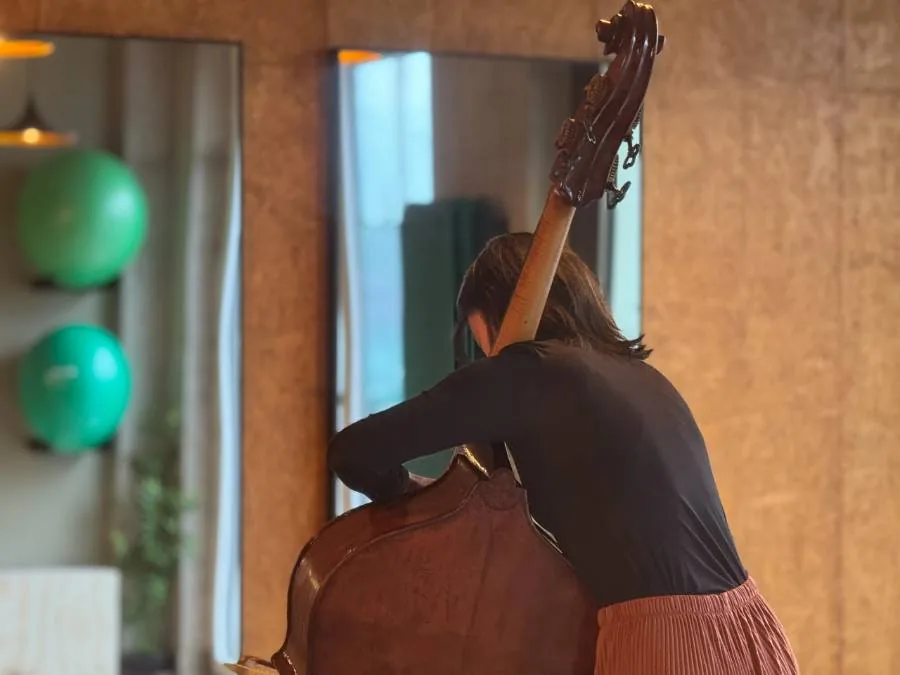
If you'd like to: watching you play is the best way to understand a movement-related problem. But it is not required. If you prefer standard treatment without your instrument, that is fine. For an instrument that is hard to move, a video is enough, or we arrange for me to come to you.
Where do you work, and on which days?
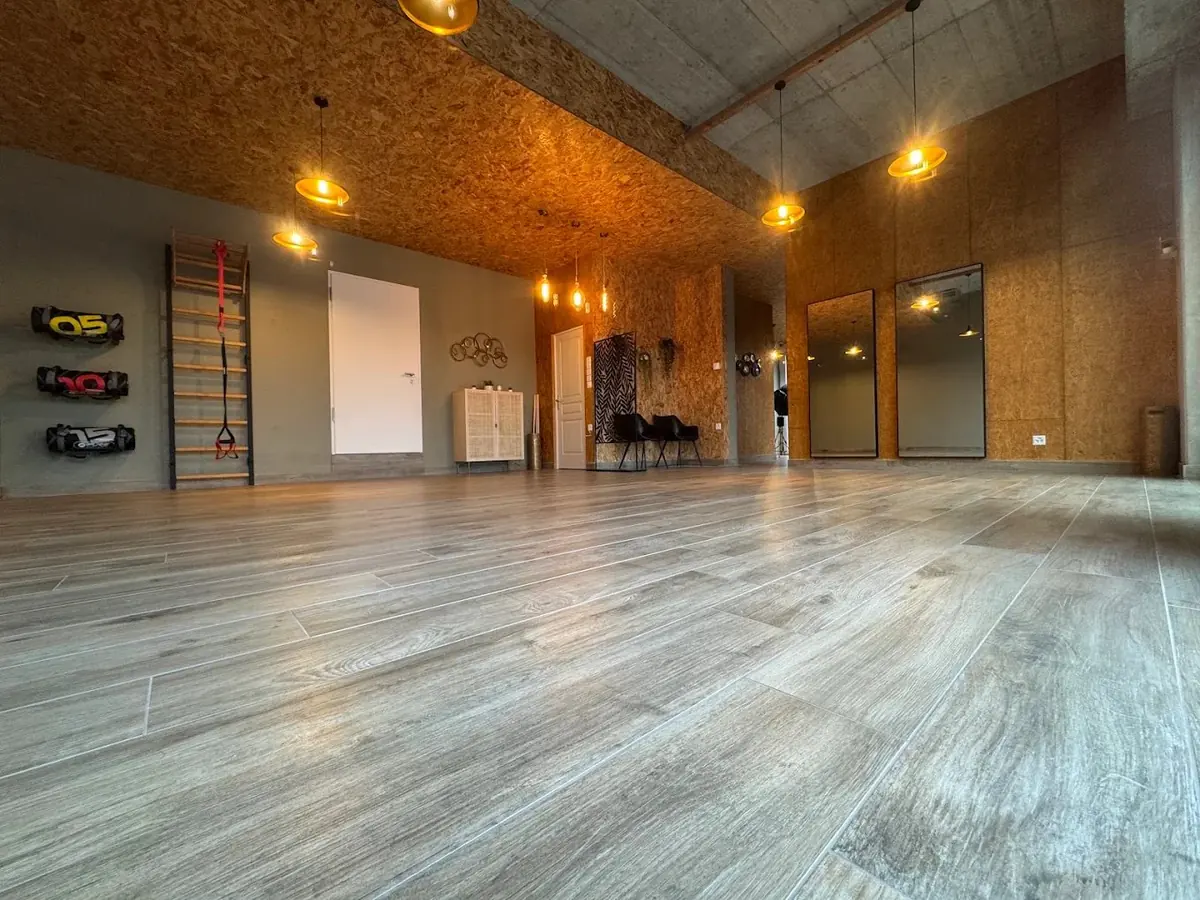
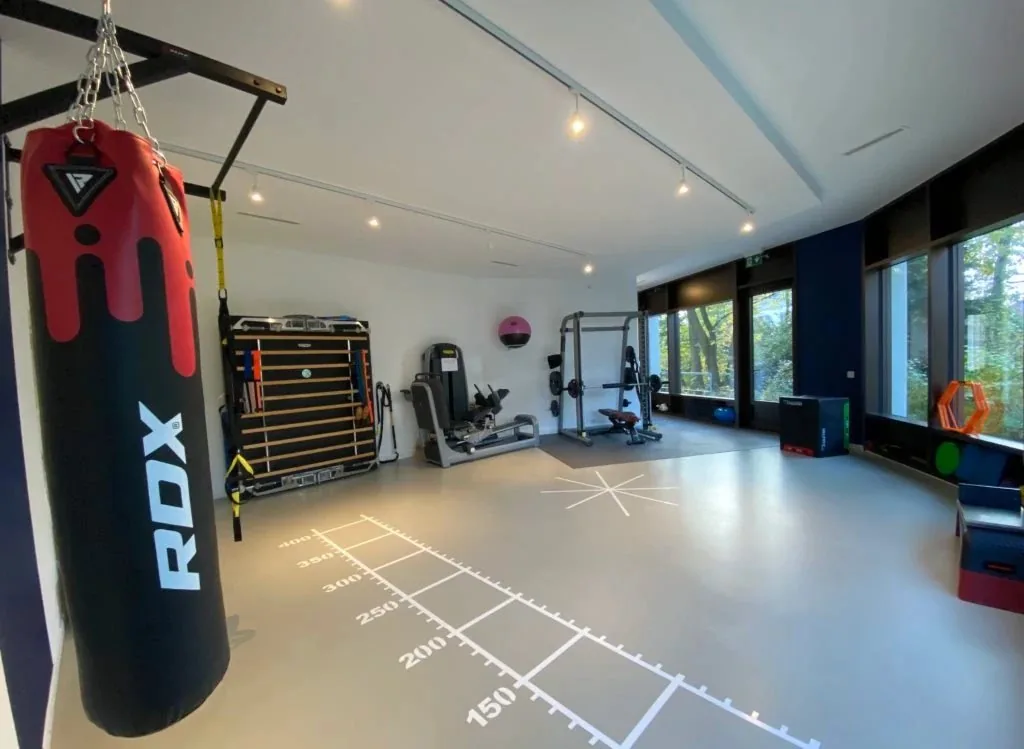
All week, at two clinics. On Tuesdays, from 9:30 am to 3:30 pm, at Physio Corner in Petit-Lancy: a day I keep for musicians and performers, so I can always offer you an appointment quickly. On Mondays, Wednesdays, Thursdays and Fridays, at KS Therapy in Geneva, from 9 am to 7 pm.
I'm not in pain. Can I still come?
Of course. Preventing an injury, preparing for a competition or getting past a technical limit are all excellent reasons. Without a prescription, it is simply a first session at the fee shown.
Do I need a prescription?
To be reimbursed by basic insurance, yes: a physiotherapy prescription from your doctor. Without one, sessions are available at the fees shown.
I'm a student paying out of my own pocket. Is that possible?
Yes. First ask your doctor for a prescription: basic insurance then covers the sessions. Without one, write to me before booking: we will adapt the number and frequency of sessions to your situation. I would rather see you than let you keep playing in pain.
Will you change my technique?
No. Technique remains your teacher's domain. I work on the body that carries it: support, tension, mobility, strength. The two complement each other very well.
How many sessions will I need?
It depends on your situation, and we discuss it at the assessment. The goal is always the same: to make you independent as quickly as possible.
Two clinics. All week.
I see musicians all week: on Tuesdays in Petit-Lancy, on other days in Geneva, with long opening hours until 7 pm. The care is exactly the same.
- MondayGeneva · KS Therapy9 am – 7 pm
- TuesdayPetit-Lancy · Physio Corner9:30 am – 3:30 pm · musicians' day
- WednesdayGeneva · KS Therapy9 am – 7 pm
- ThursdayGeneva · KS Therapy9 am – 7 pm
- FridayGeneva · KS Therapy9 am – 7 pm
Tuesday doesn't suit you? On other days I see you in Geneva from 9 am to 7 pm, handy at the end of the day, after work, lessons or rehearsals.
Book without leaving the page.
Prefer OneDoc in full screen, or on your phone? The “Book in Petit-Lancy” and “Book in Geneva” buttons above lead to the same calendar.

