

I don't change your timbre. I remove what stops it from coming through.
The voice comes from a balance between breathing, posture, coordination and vocal technique. When tension builds up somewhere, the rest compensates and the voice tires. My job is to make that action fluid, efficient and free of unnecessary effort, alongside the people who work on your sound.
A freer voice, that lasts.
- StaminaLess fatigue after concerts, performances and long teaching days.
- High notes & dynamicsEasier access to high notes and soft passages, without closing the throat.
- ProjectionMore brightness and carry, without pushing.
- PreventionLess pushing to compensate, the kind that tires the voice and puts it at risk.
- IndependenceA body warm-up and recovery routine for your seasons and tours.
A voice that struggles to carry, a slightly nasal sound, the feeling you have to push to be heard? Often the tongue tenses up or sinks back and shrinks the space where sound resonates. We free it with manual techniques and targeted exercises, built into your singing, and the difference can be heard in the very first session : a brighter voice that carries without pushing.
Every voice, every breath.
When the voice starts to strain.
- A voice that tires after rehearsals or lessons
- A throat that feels tight, the feeling of pushing
- High notes or soft passages that no longer come out
- Jaw, tongue or neck tensed up
- Short breath, phrase endings that are a struggle
- A voice that “falls back”, lacking carry
See a doctor first, if needed. Hoarseness lasting more than two or three weeks, pain, blood or a sudden loss of voice: see an ENT specialist or a phoniatrician (voice doctor) first. I keep your doctor informed and refer you to other professionals when the assessment calls for it.
The vicious circle of searching for the right care.
Many singers, actors and wind players come to me after months of searching. Does that sound like you? It is not a failure: there is simply nobody yet to connect the pieces.
The voice tiresA tight throat, a voice that turns husky by the end of the day. You push a little harder to compensate, without realising it.
Searching onlineSinging tutorials, forums, social media: conflicting breathing exercises, worrying diagnoses. Plenty of opinions, few answers for your voice.
Self-help remediesVocal rest, herbal teas, lozenges, sprays, ever-longer warm-ups. It helps for a while, then the fatigue returns as soon as rehearsals start.
One appointment after anotherENT, speech therapy, singing lessons: the vocal fold examination is often normal. Everyone sees one piece of the puzzle; nobody looks at the body that carries the voice.
Doubt creeps in“It must be stress” or “it's all in your head”: one remark heard during an appointment, a lesson or a conversation, and you end up no longer trusting what you feel. Yet the discomfort is very real.
You stop lookingWorn out, you give up on treatment and put up with it. You keep singing or speaking as before, pushing, and the voice gradually wears down, at the risk of an injury. The circle starts again.
Your history, your body and your voice, looked at together. A clear explanation, a concrete plan, and support until you are back on stage. Your discomfort is real, and it can be understood.
Book an assessmentSome wind players sing into their instrument.
Without realising it, many wind players use the same mechanisms as singers: the larynx rises or locks, the tongue tenses, the back of the throat closes. Some even literally sing into their instrument to colour the sound.
The tensions are then the same as in a singer who pushes. And so are the solutions: breath, support, mobility of the larynx and tongue.
- Throat tightening on high notes or dynamics
- Tense tongue, tiring articulation
- Blocked breath, rising shoulders, a closing sound
Listen, then look.
You sing an excerpt, read a text or play a few phrases on your instrument. I observe, palpate and listen. We start with your history and how you use your voice day to day.
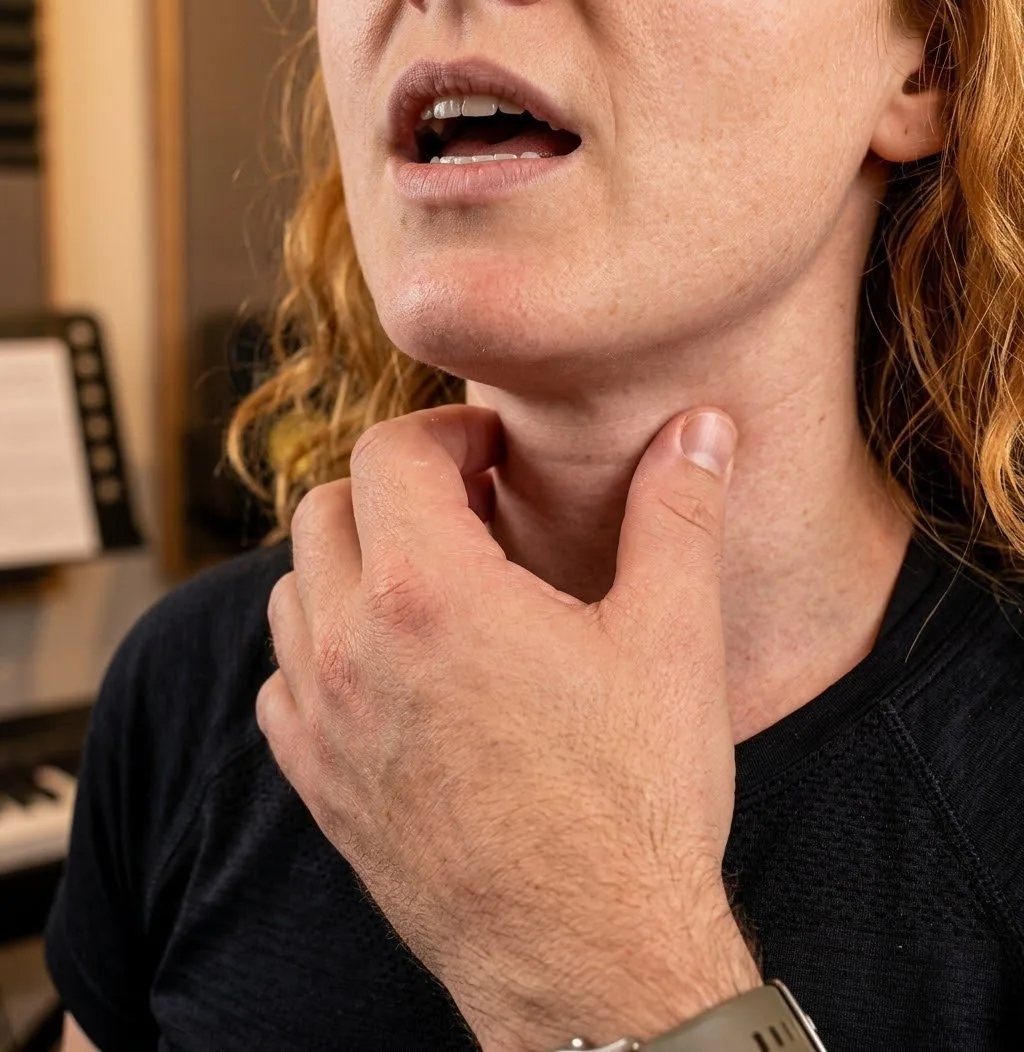
- 01Posture & groundingSupport, pelvis, the curve of your back: what frees or locks the breath.
- 02BreathHow you breathe in and, above all, how you manage the air when singing or speaking.
- 03The larynxIs it free to move, or tense? High notes are often won or lost here.
- 04Tongue & jawA tongue that pushes, pulls back or flattens changes the whole space where sound resonates.
- 05The soundA voice that carries, or one that stays muffled?
Hands-on, always with sound.
Every manual technique is paired with producing sound, so your brain takes on the new space straight away. Nothing is set in stone: we give the larynx and tongue back their freedom to move.
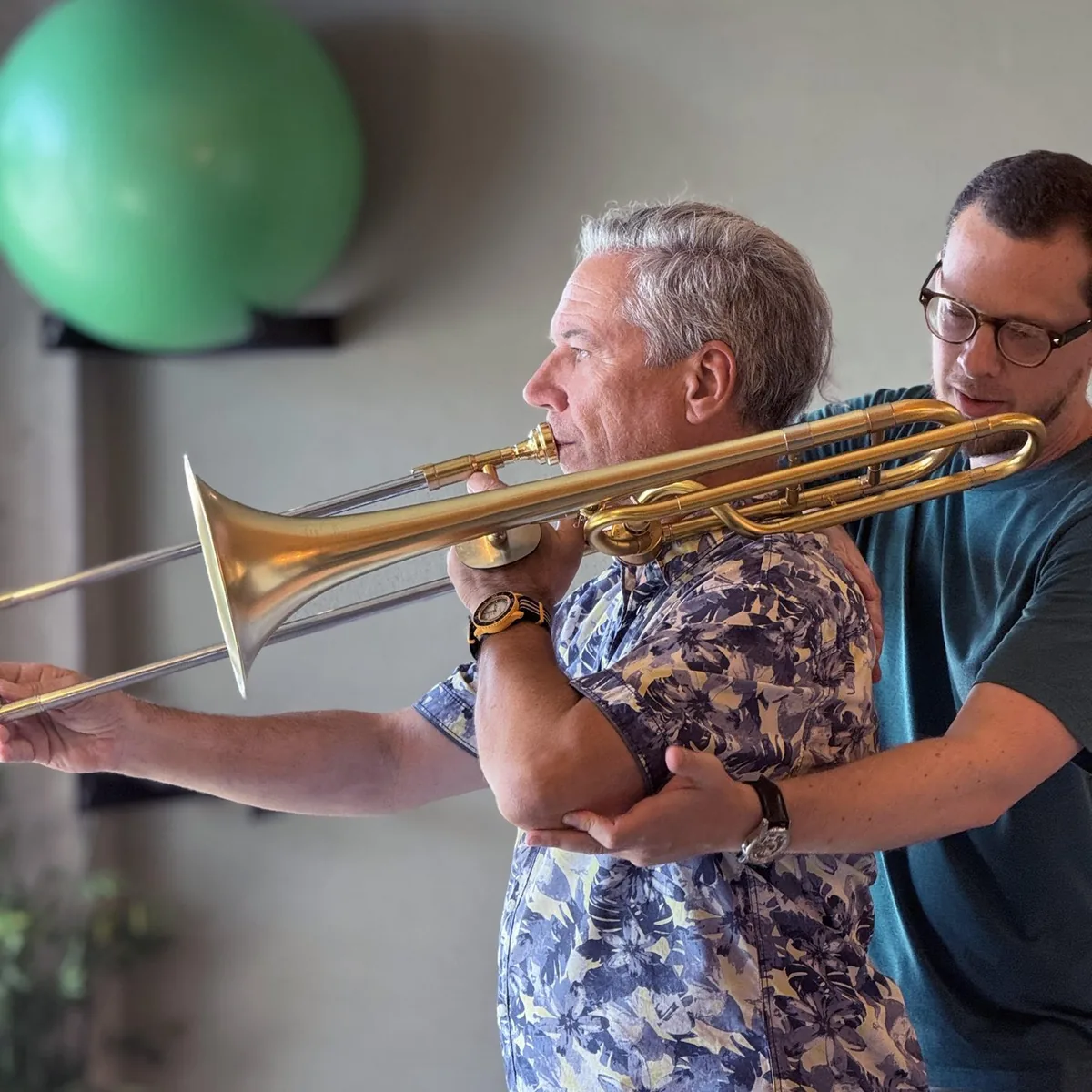
- Release01 / 03
Gentle manual therapy on the neck, jaw and larynx, right through to the tongue and the back of the throat. Every technique is explained beforehand and done with your consent.
- Reorganise02 / 03
Breath and support, then simple tools: singing through a straw or against light resistance to open up space without squeezing, playing with vowels to bring the voice forward.
- Integrate03 / 03
On your repertoire or your text, in three stages: discover the new sensation, refine the technique, then bring the emotion back in. And have fun.
A physio's tools. An eye trained in the voice.
Manual therapy, strengthening, mobility work: my tools are those of physiotherapy. What makes the difference is the perspective. I know the mechanics of voice and breath, and what lessons, rehearsals and performances demand of your body. That understanding shapes my treatment strategy, whether or not we work on the voice itself.
- 01Understand the strainHow voice and breath load your neck, jaw and rib cage, and why tension builds up there.
- 02Choose the right exercisesStrengthen and loosen what your voice or instrument really demands, rather than following a standard programme.
- 03Prepare your return to the stageBuild back up gradually, at the right pace, to get back to rehearsals and performances without a relapse.
Even great voices go back to the basics.
I was trained in voice work by a Spanish physiotherapist specialising in singers, who came to work at the Lyon Opera. For one day, I saw the Opera's singers alongside him.
At that level, we found the same difficulties as in students. A few simple exercises on the basics helped them, almost immediately, to recover notes they could no longer reach.
As told in the Tribune de Genève“He tunes bodies the way you tune an instrument.”Read →The voice, where everything meets.
Simple, with no surprises.
Before your first session.
Do I need to prepare anything?
Bring an excerpt you often sing, a text you regularly perform, or your wind instrument, and wear comfortable clothes. We work best with your own material.
Where do you work, and on which days?
All week, at two clinics. On Tuesdays, from 9:30 am to 3:30 pm, at Physio Corner in Petit-Lancy: a day I keep for musicians and performers, so I can always offer you an appointment quickly. On Mondays, Wednesdays, Thursdays and Fridays, at KS Therapy in Geneva, from 9 am to 7 pm.
Is work on the tongue and throat unpleasant?
The techniques are gentle and always explained beforehand. Nothing is done without your consent, and we go at your pace.
Do you replace my teacher or speech therapist?
No, I complement them. They work on the voice; I work on the body that produces it. I keep your doctor informed and, if needed, refer you to the right professional for the next step.
I don't sing, but I talk a lot. Is this for me?
Yes. Actors, teachers, lecturers, lawyers: the speaking voice relies on the same mechanics as the singing voice, and wears out in the same way.
I play a wind instrument. Is this page for me?
Yes. Breath, larynx, tongue, back of the throat: many wind players use the same mechanisms as singers and run into the same tensions. We work with your instrument in hand.
Do I need a prescription?
To be reimbursed by basic insurance, yes: a physiotherapy prescription from your doctor. Without one, sessions are available at the fees shown.
I'm a student paying out of my own pocket. Is that possible?
Yes. First ask your doctor for a prescription: basic insurance then covers the sessions. Without one, write to me before booking: we will adapt the number and frequency of sessions to your situation. I would rather see you than let you keep playing in pain.
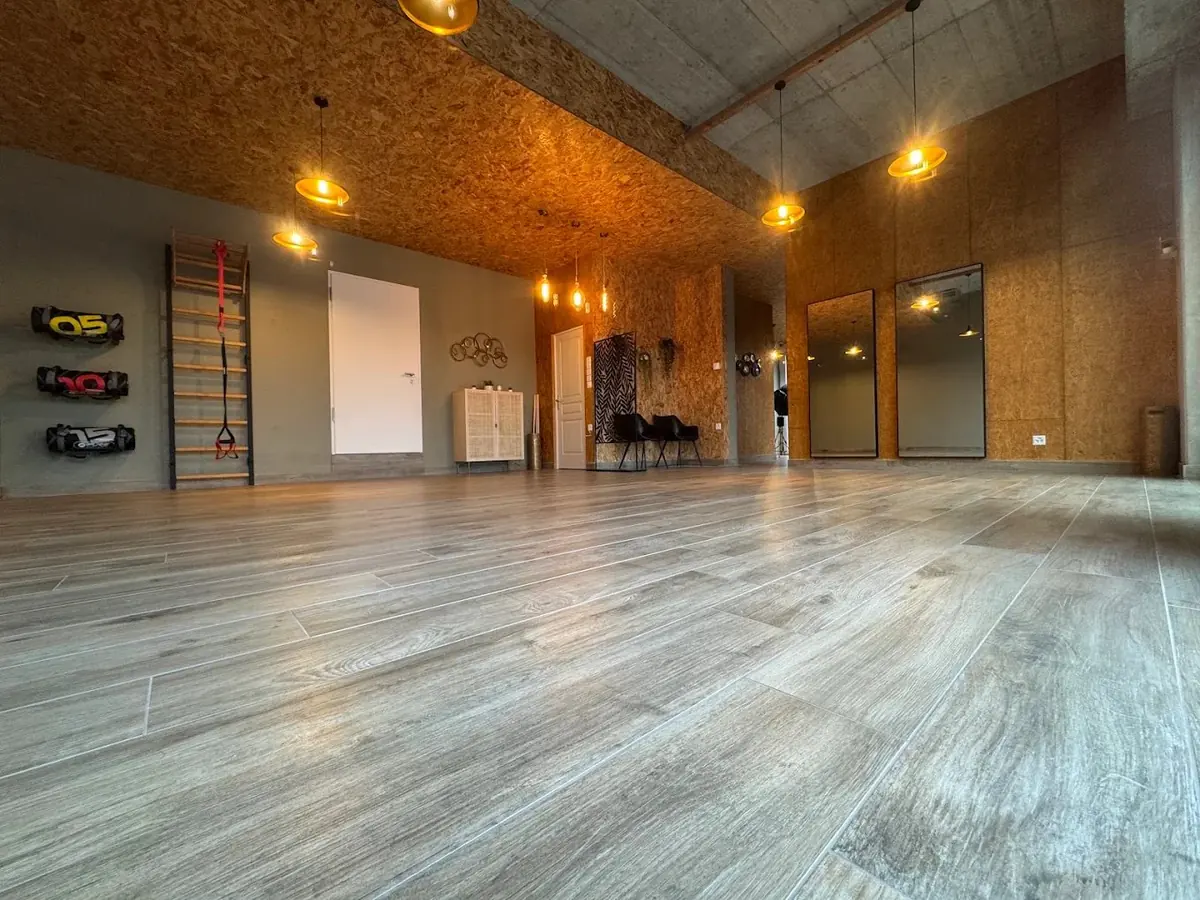
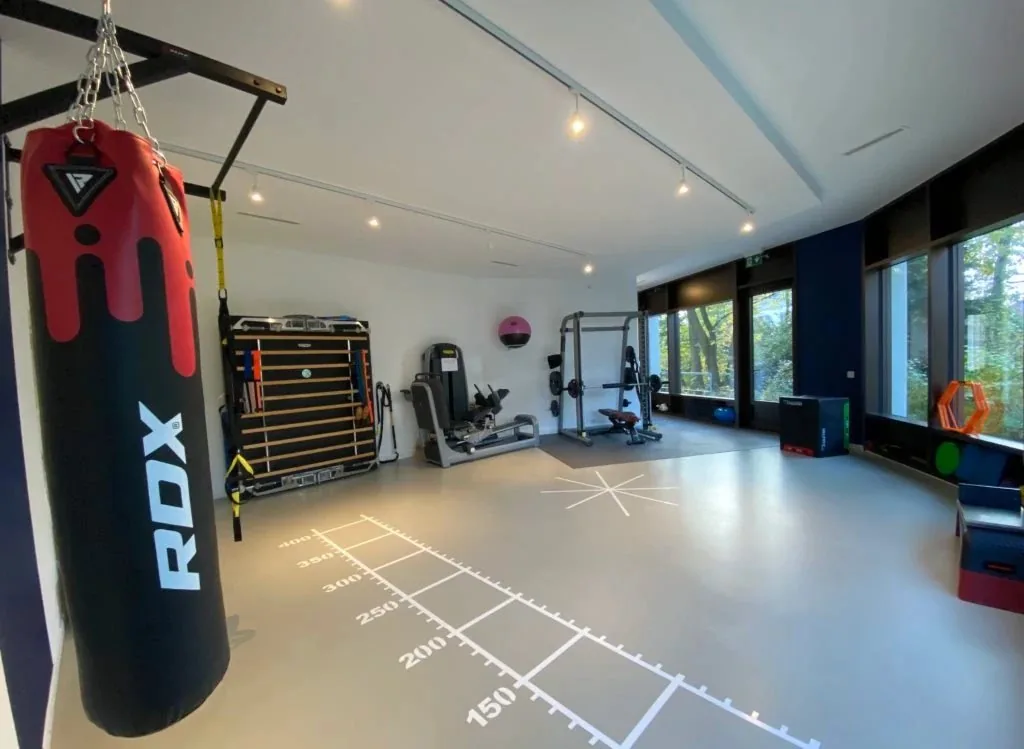
Two clinics. All week.
I see singers, actors and speakers all week: on Tuesdays in Petit-Lancy, on other days in Geneva, with long opening hours until 7 pm. The care is exactly the same.
- MondayGeneva · KS Therapy9 am – 7 pm
- TuesdayPetit-Lancy · Physio Corner9:30 am – 3:30 pm · performers' day
- WednesdayGeneva · KS Therapy9 am – 7 pm
- ThursdayGeneva · KS Therapy9 am – 7 pm
- FridayGeneva · KS Therapy9 am – 7 pm
Tuesday doesn't suit you? On other days I see you in Geneva from 9 am to 7 pm, handy at the end of the day, after work, lessons or rehearsals.
Book without leaving the page.
Prefer OneDoc in full screen, or on your phone? The “Book in Petit-Lancy” and “Book in Geneva” buttons above lead to the same calendar.

